

Atmosphere is not a visual effect nor a stylistic device. It is a psychological state of space: the moment when an environment ceases to be a collection of forms and begins to act as a field of memory, projection, and imagination. True atmosphere is not seen; it is experienced as a silent mental pressure, as if the space were thinking before we do.
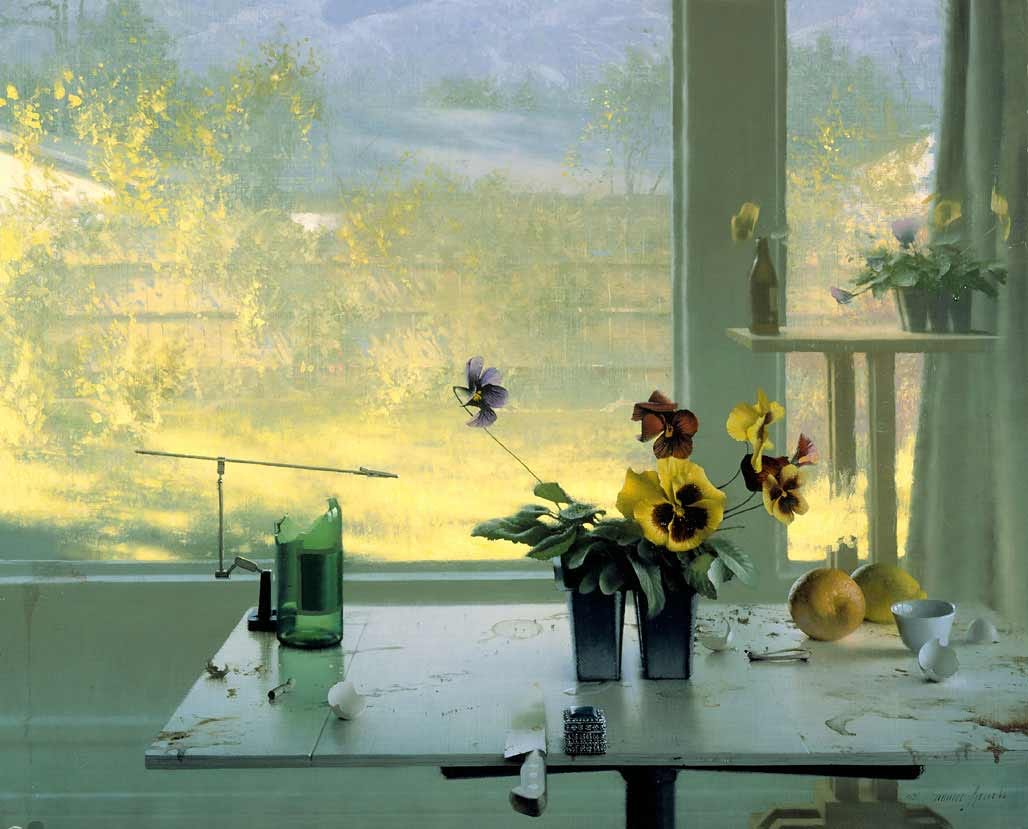
This phenomenon becomes especially clear when comparing the painting of Daniel Sprick and the architecture of Antonino Cardillo. Although they work in different media, both construct the same thing: atmospheres as liminal spaces, intermediate zones where perception and memory begin to merge.


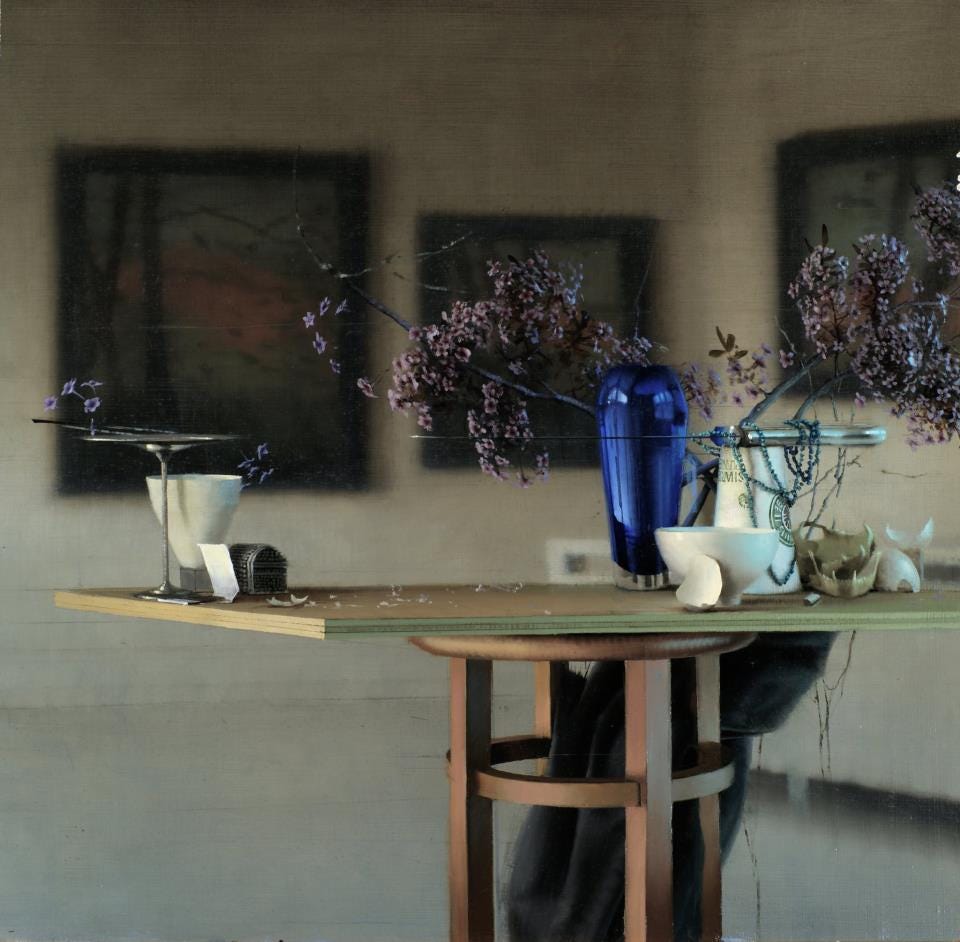
In Sprick’s paintings, figures do not inhabit clearly defined places. They inhabit atmospheres. The background rarely describes a precise architectural setting; instead, it functions as a tonal field from which the figure seems to emerge from memory rather than from environment. Light does not merely describe volume so much as it suggests presence. Contours are rarely absolute. Everything seems to exist in a state of appearance or dissolution.


This is a fundamental characteristic of atmosphere: it does not assert, it suggests. And to suggest means leaving space for the viewer to complete the experience. When Sprick leaves edges unresolved or transitions incomplete, he is activating a precise psychological mechanism: the human mind does not tolerate perceptual emptiness and automatically projects meaning. Atmosphere, in this sense, becomes a device for mental activation.
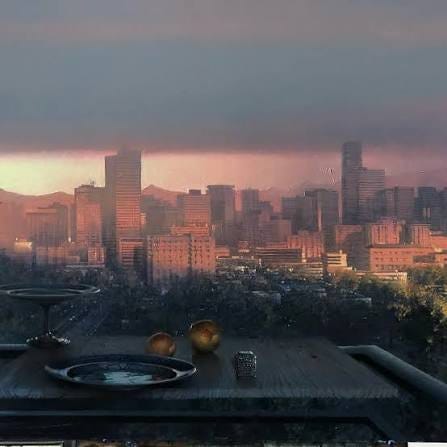
Cardillo works with exactly the same principle in architecture. His spaces are not designed as formal compositions but as atmospheric conditions. Continuous surfaces, dense chromatic fields, ambiguous openings, and transitions of light generate interiors that seem to exist in a suspended state of time. These are not spaces that are immediately understood. They are spaces that require perceptual adjustment. This is crucial: atmosphere always introduces a slight delay in comprehension. That delay is where imagination enters.

When a space or a painting does not resolve itself instantly, the mind begins to explore. It begins to compare. It begins to search for similar memories. And in that process something unsettling happens: the viewer stops perceiving the work as something external and begins to psychologically inhabit it.


Here we find the true point of contact between Sprick and Cardillo: both understand atmosphere as a technology of interiorization.
They do not construct images.
They do not construct buildings.
They construct conditions in which the observer inevitably begins to project their own inner experience.


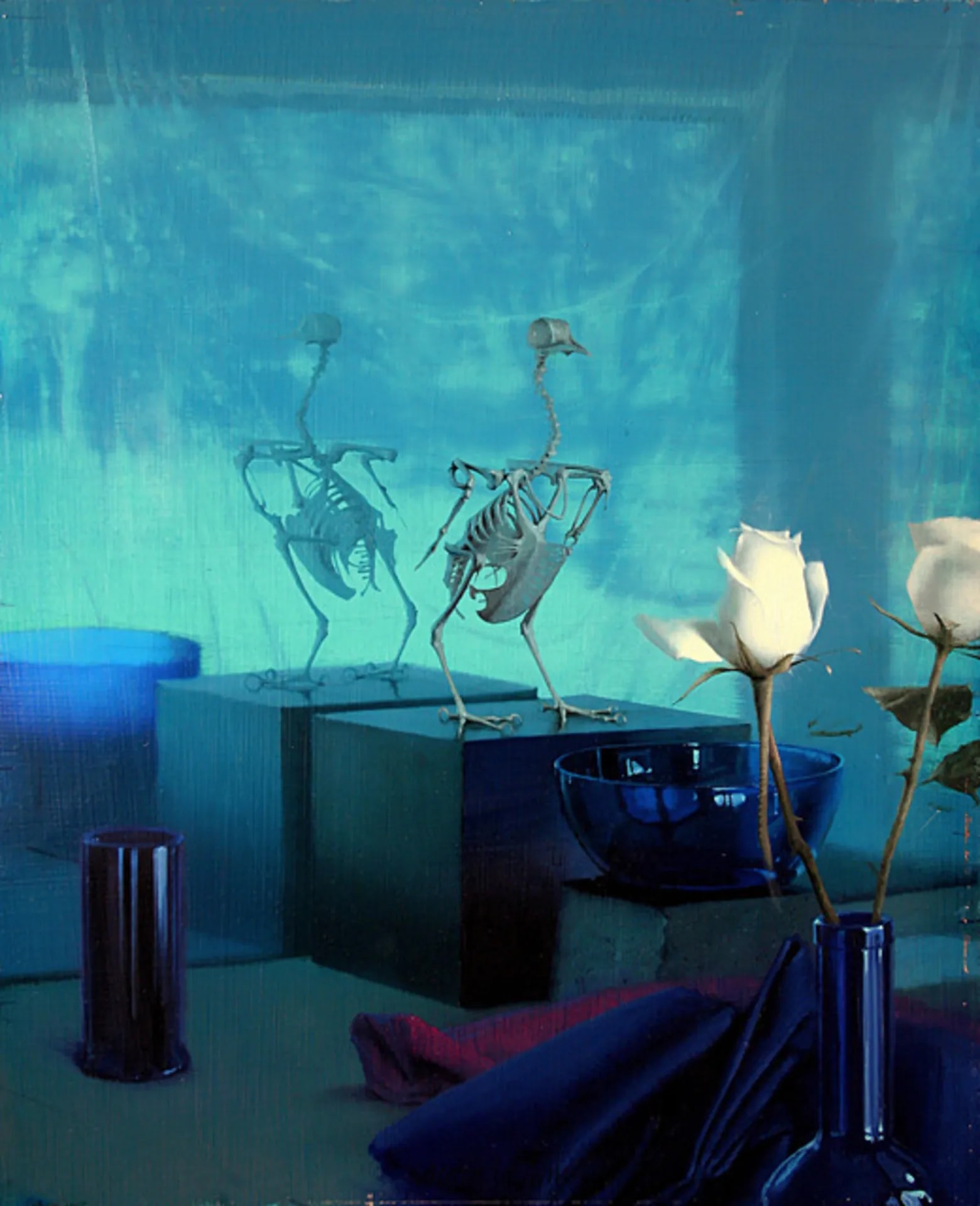
This explains why their works can produce a form of unease that is difficult to verbalize. It is not drama. It is not narrative. It is something more primary: the sensation of standing before a space that seems to recognize us before we understand it.


Effective atmosphere produces a very specific illusion: the sensation of memory without event. One feels they have been there before. But cannot say when. This effect may be the true operative core of atmosphere as an artistic tool: not to create new spaces, but to create conditions in which the mind believes it recognizes something it has never actually experienced.


From a creative perspective, this suggests a fertile idea: atmosphere should not be understood as something added at the end of a work, but as the result of carefully controlling how much is revealed and how much remains silent.
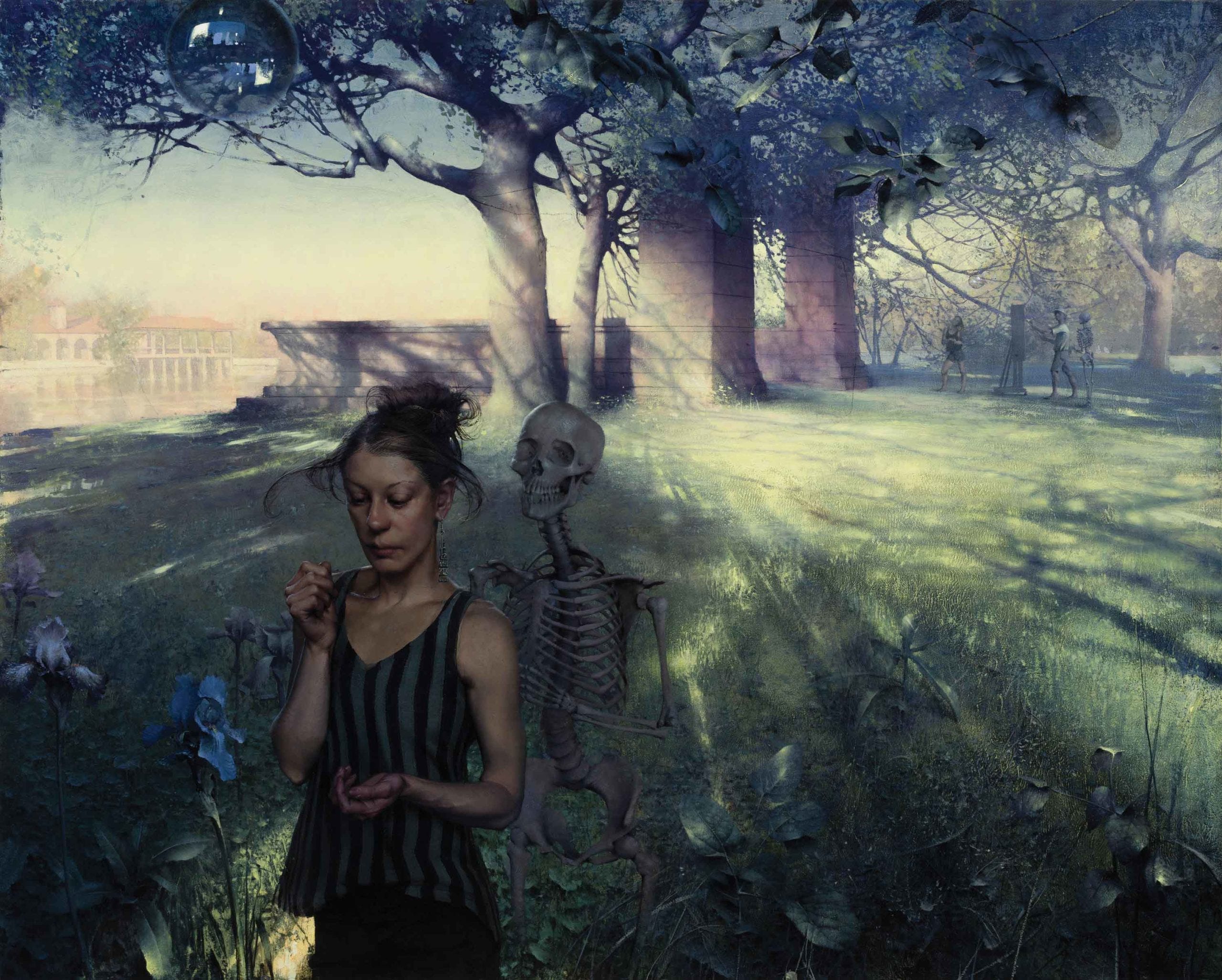
Because imagination is not activated by information. It is activated by intervals. Sprick controls those intervals through lost edges and tonal transitions. Cardillo constructs them through incomplete geometries and delayed light. Both understand that atmosphere is not made of forms, but of relationships between presence and absence.


Perhaps that is why their works share a rare quality: they appear calm, but never entirely stable. There is always a subtle sense that something might reveal itself if we remained just a little longer.
And perhaps this is the most precise definition of atmosphere within this line of thought: Atmosphere is the moment when a space stops being seen and begins to be remembered, even before it has been understood.